Subtitles and audio tracks decide whether a film is a pleasure or a chore. Following dialogue in a noisy room, watching a series in your preferred language, or catching every word of a quiet scene all depend on settings many users never open. This guide explains how subtitle and audio options work in the Aya TV official site app, how to choose them per programme, and how to fix the common faults.
A principle first: availability comes from the content itself. The player can only offer the tracks a stream carries, so sometimes the correct fix for a missing track is a different version of the same title, not a longer hunt through menus.
Turning Subtitles On and Choosing a Language
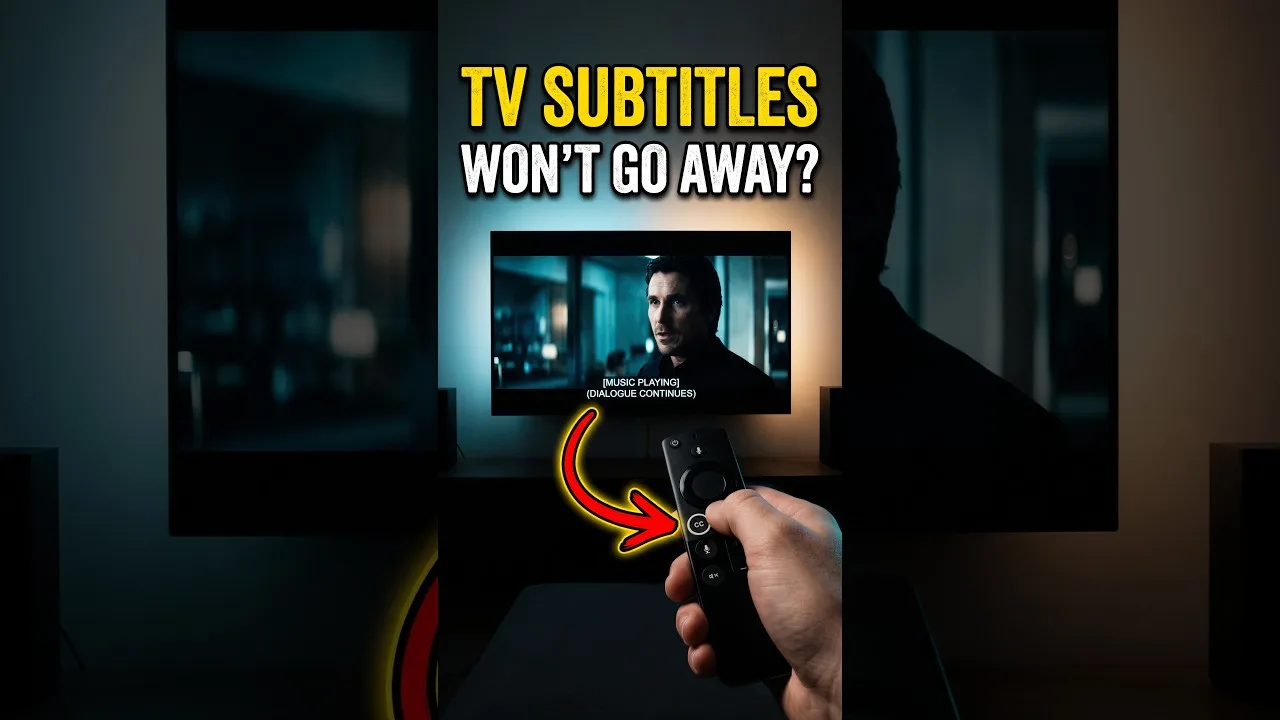
Start playback, then open the player's subtitle control — usually a speech-bubble or CC icon, or a line within playback settings. The languages the stream carries appear as a list; pick yours and the text runs from that point. The choice normally persists for the rest of the title and often into the next one.
If your language is not listed, the stream does not carry it. Popular titles frequently exist in more than one version in the library, and another version may carry the track you need. Searching the title again and testing the alternative result is the fastest check.
Audio Tracks and Dubbed Versions
Audio selection works the same way: the player menu lists the tracks embedded in the stream, which can include the original language and one or more dubs. Switching is instant and does not restart playback, so compare for a few seconds before settling.
Families often mix preferences — original audio with subtitles for adults, dubbed audio for children. Because the choice is per playback, everyone can watch their own way on the same device without changing global settings. The broader feature set is summarised in our features overview.
Fixing Subtitle Sync Problems
Out-of-sync subtitles — text arriving a second early or late — are the most annoying subtitle fault. Some players include a delay adjustment that shifts timing in small steps; if yours offers it, adjust in half-second steps while watching a dialogue-heavy scene until speech and text line up.
When no adjustment exists, the reliable cure is a different source. Sync problems are baked into a particular file, not your device, so another version of the same episode usually carries correctly timed text. Live channels rarely allow sync control at all, because the text is embedded in the broadcast as it airs.
Making Subtitles Easier to Read
Readability partly lives in Android's own settings. Under Accessibility, caption preferences — text size, font, and background — are respected by many apps. Enlarging subtitle text and adding a solid background makes a dramatic difference on bright scenes and on television viewing from across the room.
Match the text size to your viewing distance. What is comfortable on a phone at arm's length is far too small on a TV across the room. If you watch on both, expect to adjust when you switch screens. Playback comfort also improves with the general tuning covered in our best settings guide.
Final Thoughts
Subtitles and audio are personal settings, and five minutes spent learning them pays back on every film. Know where the track menus live, understand that availability comes from the content, fix sync by switching sources, and size the text for your screen. After that, the only thing left to choose is what to watch.